CIPR

  • Home
  • About
    • People
      • Director
      • Academics
      • Current PhD students
  • Research
    • Visiting Indigenous Fellowship
  • Publications
    • CIPR Policy Paper
    • CAEPR Archive
  • News & Events
  • Study with us
  • Contact us

Research Spotlight

  • Zero Carbon Energy
    • Publications and Submissions
  • Market value for Indigenous Knowledge
  • Indigenous public servants
  • Urban Indigenous Research Network
    • About
    • People
    • Events
    • News
    • Project & Networks
      • ANU Women in Indigenous Policy and Law Research Network (WIPLRN)
      • ANU Development and Governance Research Network (DGRNET)
      • Reconfiguring New Public Management
        • People
        • NSW survey
    • Publications
    • Contact

Related Sites

  • ANU College of Arts & Social Sciences
  • Research School of Social Sciences
  • Australian National Internships Program

Administrator

Breadcrumb

HomeResearchPublicationsCultural Vandalism: Regulated Destruction Of Aboriginal Cultural Heritage In New South Wales
Cultural Vandalism: Regulated Destruction Of Aboriginal Cultural Heritage In New South Wales
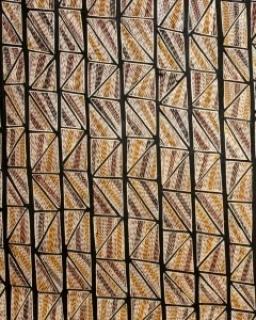
Detail from Gulach 2006 by Terry Ngamandara Wilson
Author/editor: J Hunt
Year published: 2020
Issue no.: 3

Abstract

The destruction of a cultural site of the Puutu Kunti Kurrama and Pinikura people, which has evidence of 46,000 years of continual human occupation, by mining giant Rio Tinto has attracted national and international condemnation. The company’s actions at Juukan Gorge were lawful, though wrong, due to the weak protections offered by the outdated laws in Western Australia relating to Aboriginal cultural heritage. But Western Australia is not alone. The National Parks and Wildlife Act 1974 (NSW) came just two years after the Aboriginal Heritage Act 1972 (WA) and is similarly outdated. Aboriginal people in New South Wales have been trying to strengthen the law that is supposed to protect their cultural heritage since the late 1970s, but reform remains elusive. Meanwhile hundreds of important sites continue to be destroyed. Failed appeals by Aboriginal custodians to the Commonwealth only reinforce the need for urgent law reform at every level.

Keywords: Aboriginal, Cultural Heritage, New South Wales, Legislation, Law reform

File attachments

AttachmentSize
Hunt_TI_3_2020.pdf(725.11 KB)725.11 KB